← Back to the magazine
Fishing the Bow River out of a camper
Fishing · Alberta
The Bow below Calgary has a reputation that is, for once, deserved. A regulated tailwater running through and past a city of well over a million people, full of large, well-fed and thoroughly educated trout. It is not a secret, it is not easy, and the combination of those two facts is exactly why people plan trips around it rather than dropping in on the way somewhere else.
What it also is, from a camping perspective, is awkward. The best access is close to town. The good camping is not. You end up commuting, and how you handle that commute determines whether you fish five days or three.
Basing yourself sensibly
The obvious move is to park somewhere southeast of the city and drive to the water, which works fine if you accept that you'll be doing forty minutes each way in the dark, twice a day, for the length of the trip. That's survivable for a long weekend and grinding over a week.
The less obvious move is to treat the river as a two-base trip. A few nights within reach of the upper reaches, then move down and fish the lower water from a second base. You end up fishing two genuinely different rivers — different character, different insects, different water — without either drive becoming punitive. It costs you one travel afternoon and it buys back several hours a day.
Provincial and municipal campgrounds in the region fill fast through summer, and the private ones near the highway are functional rather than lovely; you're paying for a level pad and a shower, not a view. If you're self-contained you have more options than the reservation systems suggest, but not unlimited ones. Alberta's rules on random camping differ between public land, provincial parks and grazing leases, and enforcement is real. Look up the specific area you have in mind rather than assuming that a wide gravel pull-out is an invitation.
Why a camper genuinely beats a hotel here
Trout fishing has two productive windows and both of them are inconvenient. You want to be on the water before the light, and back on it for the last hour of it. In between there is a long flat stretch where the fish are unimpressed and you need somewhere to be that isn't a truck cab in a parking lot.
A coach parked within reach of the access gives you a kitchen, a bed and a bathroom during exactly that dead middle. Which sounds like a comfort argument and is actually a fishing argument, because the anglers who go home at two in the afternoon are the ones who miss the evening entirely.
The advantage isn't comfort. It's that you can stay for the evening rise without having to decide to.
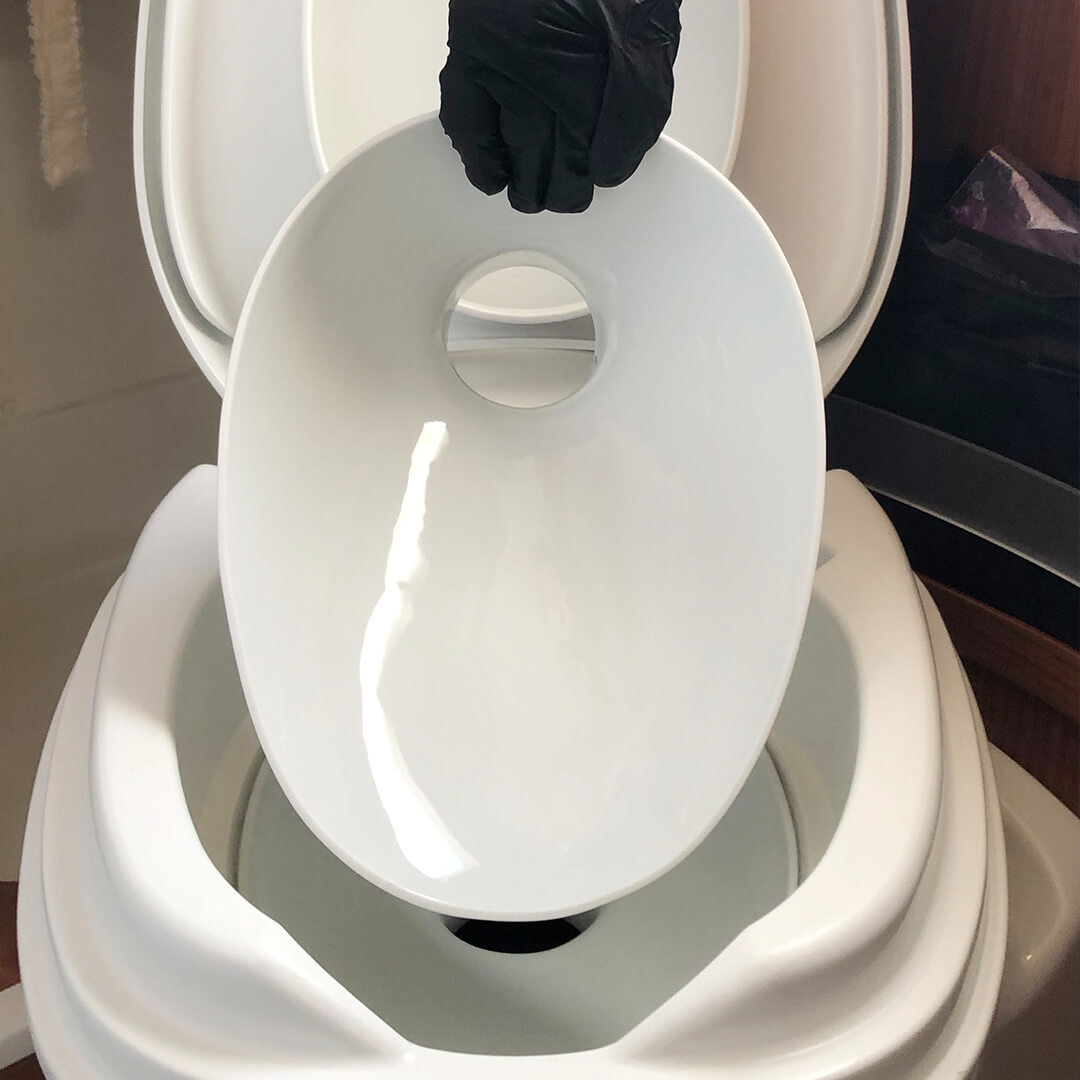
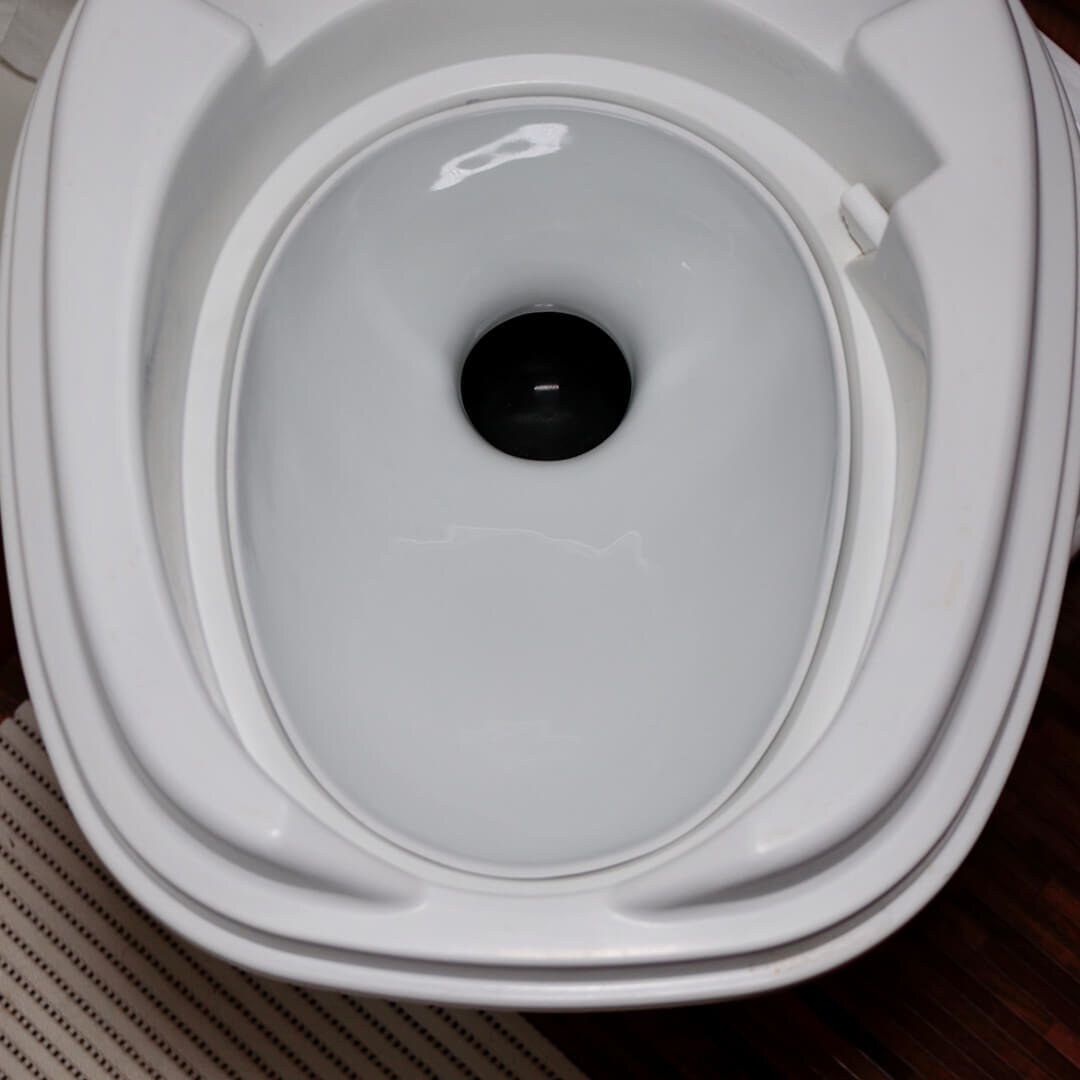
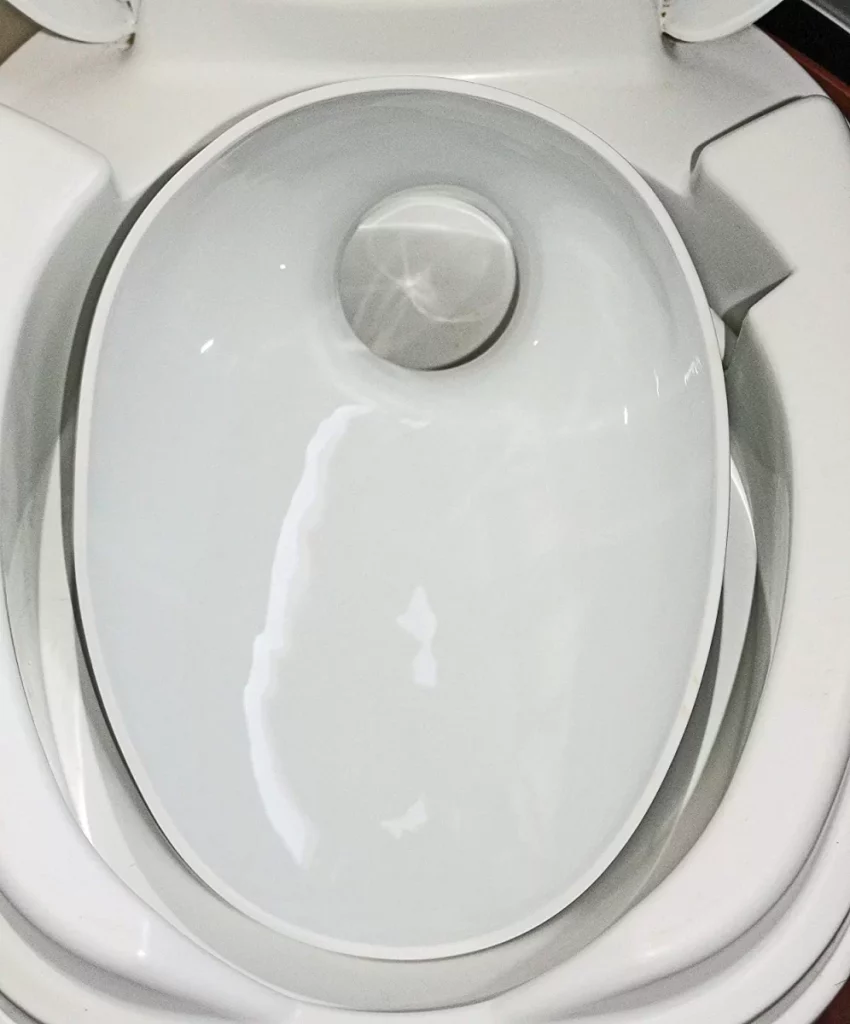
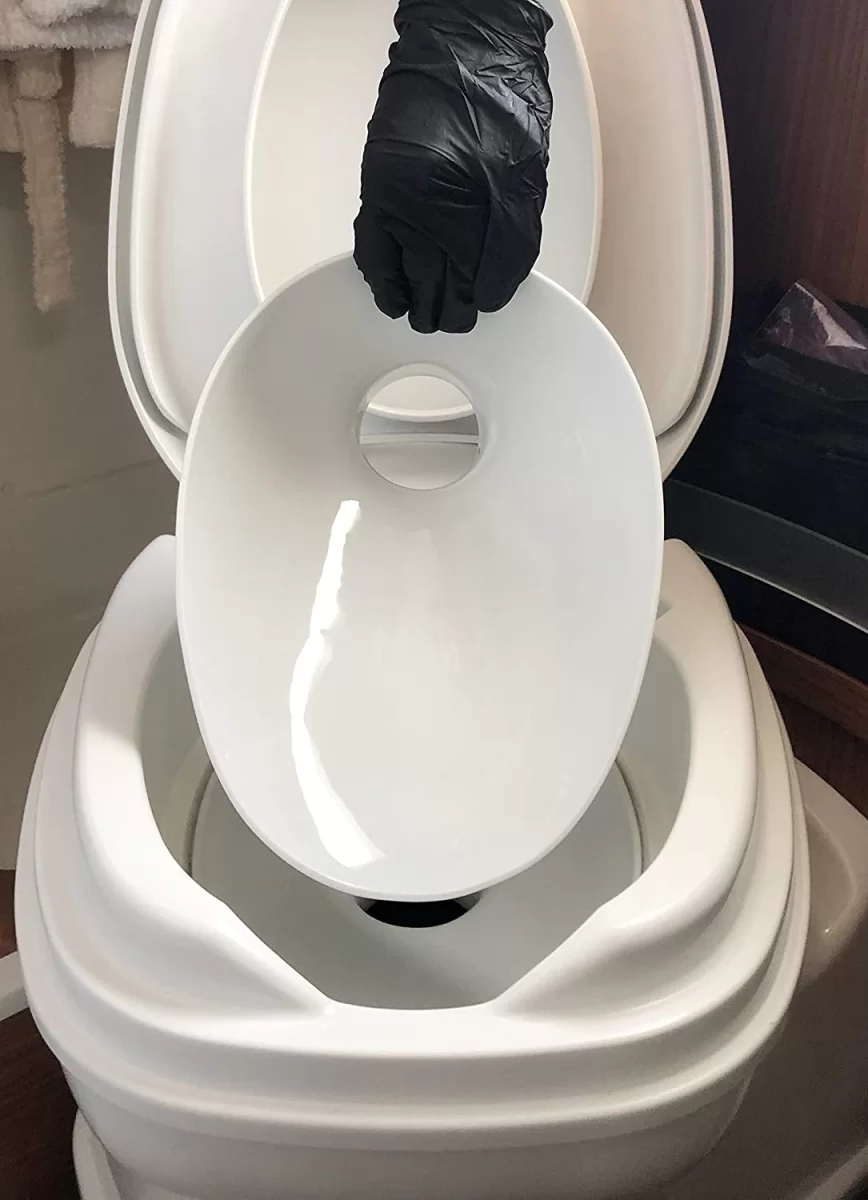
The bathroom part of that is not a throwaway. Anybody who has fished a full day in waders knows the particular misery of a hot afternoon, a small enclosed room, and a bowl that stopped being able to look clean two seasons ago. It is a small thing, and small things are what decide whether somebody is willing to do a fifth day or starts talking about heading back.
Practicalities that matter more than fly selection
Flows on a regulated river move with upstream releases, and the Bow can go from ideal to unfishable inside a day when the system is managing water. Watch the flow data before you commit to a float, and watch it again the morning of. A rise of a few inches changes where the fish sit and turns a good wade into a bad idea.
Wind is the other constant. The funnel coming down off the mountains can shut down a dry fly afternoon completely, and there is no tactic that beats it — only patience, a heavier rod, or a different reach with a bank at your back. Plan for it rather than being personally offended by it.
Licensing is straightforward and available online; get it before you arrive. Regulations on the Bow include gear and retention rules that differ by section and change between seasons, so read the current Alberta guide for the exact reach you intend to fish. I'm deliberately not printing numbers here that could be wrong by the time you read this, and neither should anybody else writing about it.
If you have never fished it, book one guided float somewhere in the middle of the trip. A competent local rower will teach you more about that river in eight hours than a week of guessing will, and the money comes back on the days either side.
The daily rhythm that works
Up before light, coffee in the coach, on the water for the first hour. Fish until the sun is high and the takes stop. Back for a real lunch and either sleep or tie — both are more productive than driving somewhere. Out again by late afternoon, fish through the evening, and eat dinner at nine like a European.
That schedule only works if the coach is set up for it. Which means keeping a hard boundary between wet gear and living space: a dedicated bin or a hanging spot for waders that isn't the bathroom floor, boots outside under the step, and a routine of rinsing everything before it comes in. Do it for the first two days and it becomes automatic. Skip it and by Wednesday the vehicle smells like a boat.
Clean fish away from the site, at a designated station if there is one. Never in the coach, never at the picnic table, and never leave a cooler of frames in the sun beside the vehicle. Which brings me to the part visitors underestimate.
Wildlife, this close to a city
The riverside brush along the Bow holds more wildlife than people expect a short drive from downtown Calgary, and bear-aware food storage applies well outside the mountain parks. Deer, coyotes and the occasional bear all use the river corridor as a highway, because it's continuous cover through developed land. Keep the coach clean, keep fish in a cooler inside rather than hanging off the bumper, and take garbage to a bin daily.
None of that is onerous. It's just the difference between camping near a river and hosting.
The version I'd actually recommend
Five nights. Two bases, with the move on the middle day. One guided float. Mornings and evenings on the water, afternoons horizontal. Eat properly — a trip where everybody lives on gas station food is a trip that ends early for reasons nobody can name.
And take the extra cassette. You'll be running the coach hard, with wet gear coming in and out and four people using one small bathroom around two fishing windows a day. The last thing you want on the one evening the fish are up is a service errand.
Two rivers in one, and how to read which one you're on
The reach through and immediately below the city fishes like an urban tailwater: consistent flows, heavy insect life fed by a system that never really shuts down, fish that have seen a great deal of terminal tackle and have opinions about it. It rewards precision — accurate drifts, light tippet where you can get away with it, and the discipline to change flies rather than to keep casting the one you have confidence in.
Further down, the character loosens. The river braids more, the banks are agricultural, the pressure drops off and the fish behave a little more like fish. The trade-off is access: there is less of it, what exists is more spread out, and getting to good water often means walking further than you planned in waders.
Neither reach is better. They ask for different things, and a week that includes both teaches you considerably more than a week hammering the reach nearest the campground.
Floating versus wading
The Bow is a boat river in the sense that a drift boat or raft opens up water no wading angler will reach, and it is a wading river in the sense that plenty of the best fish get caught by people standing in it. If you are bringing your own boat, know the access points, know the take-out before you launch, and be conservative about what a rising flow does to a day that looked easy at breakfast.
Wading it demands respect for a river that is larger and pushier than it looks from the bank. Wading staff, a belt cinched properly, and a rule about not crossing anything you would not be willing to cross back. Cold water plus a strong push plus a slick cobble bottom is how competent people get into trouble on a nice afternoon.
If you are towing a boat behind the coach, the two-base plan gets more attractive rather than less. Setting up once and launching from the same ramp for three days beats hitching and unhitching daily, and it means the trailer spends its time parked rather than accumulating gravel from the access roads.
The part nobody plans for
Weather in southern Alberta in shoulder season can hand you seventy degrees and sun on Tuesday and wet snow on Wednesday. Not a storm — just a front doing what fronts do at that latitude and altitude. Pack for both. Carry the furnace-on layers even in September, and have an indoor plan for a day, because there will probably be one.
The upside is that the same volatility empties the river. A cold, gray, unpleasant morning after a front is frequently the best fishing of the week, and you'll have it to yourself, because everybody else looked out the window and made a reasonable decision.